The Slow, Grinding Halt of Intel: A Board-Level Post-Mortem
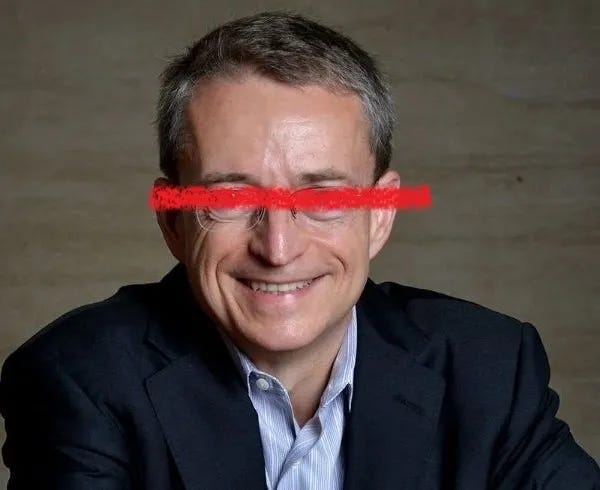
The Unceremonious Departure of Pat Gelsinger Let's be honest, Pat Gelsinger's "retirement" from Intel smells more like a forced ejection from a crashing airliner. His 1386-day tenure as CEO was surprisingly short, especially considering he was arguably the most technically competent CEO Intel

The Unceremonious Departure of Pat Gelsinger
Let's be honest, Pat Gelsinger's "retirement" from Intel smells more like a forced ejection from a crashing airliner. His 1386-day tenure as CEO was surprisingly short, especially considering he was arguably the most technically competent CEO Intel has seen in recent years. He wasn't perfect, his optimistic outlook at times bordering on delusional, as evidenced by his ambitious wafer goals for Intel Foundry Services (IFS) during a UBS conference. He seemed to channel the ghost of Andy Grove, aiming for the moon while struggling to get off the ground. But, crucially, he wanted the job. He was playing for the home team, tackling one of the most challenging roles in the tech world. His predecessors, who arguably steered Intel into this mess, lasted longer and achieved considerably less.
The Board: A Masterclass in Incompetence?
Which brings us to the real villains of this story: the Intel board. This group deserves a special place in the Corporate Hall of Shame. Let's break down their "qualifications":
- Semiconductor experience: Scarce. A few academics, a handful of recent additions with actual industry experience, and a whole lot of nothing.
- Other company/work experience: A mixed bag, ranging from successful companies to those embroiled in their own disasters (Boeing, anyone?). A concerning number seem to be "professional board members," collecting checks and offering little in the way of actual expertise.
- Tenure at Intel: Many have been around for the entirety of Intel's decline, silently observing the train wreck in slow motion.
This isn't a board; it's a collection of well-dressed bystanders. The very people responsible for Intel's current predicament are still holding the reins, making decisions that will shape the company's future. It's like letting the arsonist design the fire escape.
Here's a quick rundown of some of the key players:
- Frank Yeary (Chairman): M&A expert, long tenure, oversaw the disaster, now likely looking to sell off the pieces.
- Omar Ishrak (Former Chairman): No semiconductor experience, presided over the decline, still on the board.
- Gregory Smith: Boeing's former CFO, also oversaw a major corporate disaster. Because one wasn't enough, apparently.
The lack of relevant experience is staggering. It's as if Intel decided to hire a team of podiatrists to perform brain surgery.
The Activist Investor Paradox
The sad irony is that even activist investors, those corporate raiders of Wall Street, are hesitant to get involved. Turning around Intel is a herculean task, with little promise of a quick return. It's easier to just move on to the next shiny object.
The Autopilot Board
The board's dysfunction is compounded by the influence of proxy advisory firms like Glass Lewis and ISS. Passive investors often blindly follow their recommendations, which typically align with the board's proposals. This creates a self-perpetuating cycle of mediocrity, where the board can act with impunity, knowing that their decisions will likely be rubber-stamped.
The Future of Intel: A Bleak Prognosis
So, what's next for Intel? The most likely scenario is a fire sale. The board, under the leadership of an M&A specialist, will likely carve up the company and sell off the profitable bits. This might be good for short-term shareholder value, but it's a disaster for the long-term health of the company, the semiconductor industry, and arguably, American technological competitiveness. It's like selling your kidneys to pay off your credit card debt.
The appointment of two new board members with actual semiconductor experience is a glimmer of hope, but it might be too little, too late. It's like bringing in a trauma surgeon after the patient has already bled out.
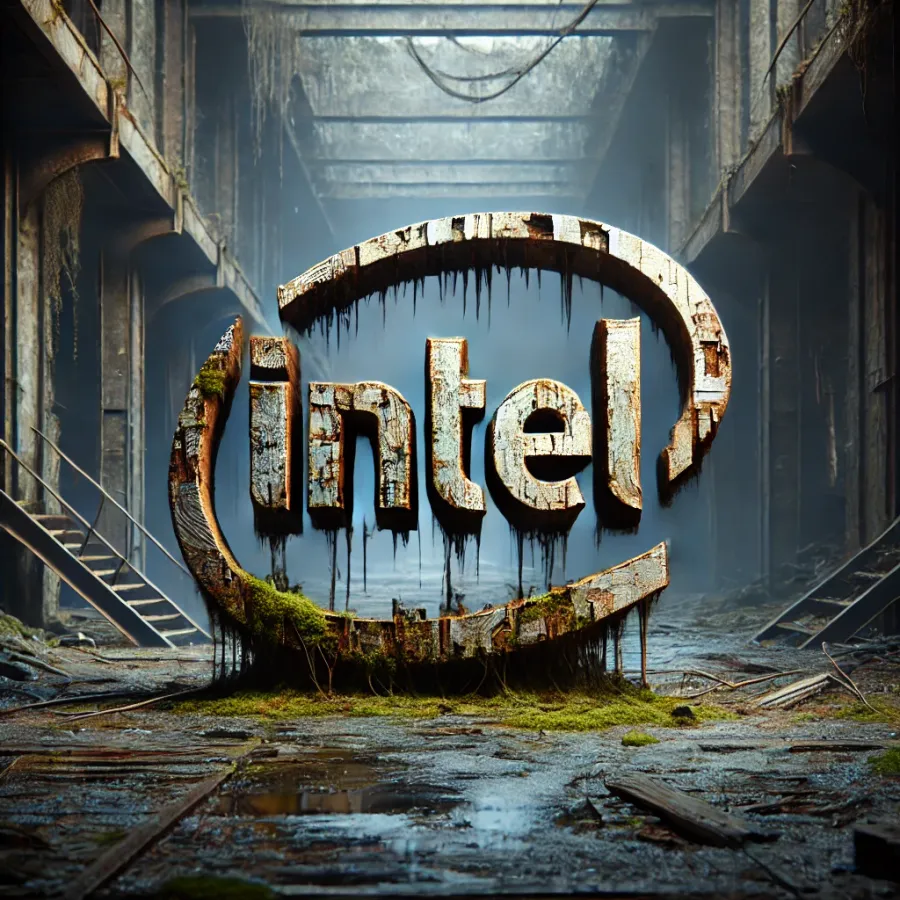
Pat Gelsinger's ouster is a symptom of a much larger disease. The Intel board, operating on autopilot and lacking relevant expertise, has driven the company into the ground. It's a cautionary tale of corporate governance gone wrong, a reminder that even the mightiest can fall victim to their own internal rot.
Source:
 Doug O’Laughlin